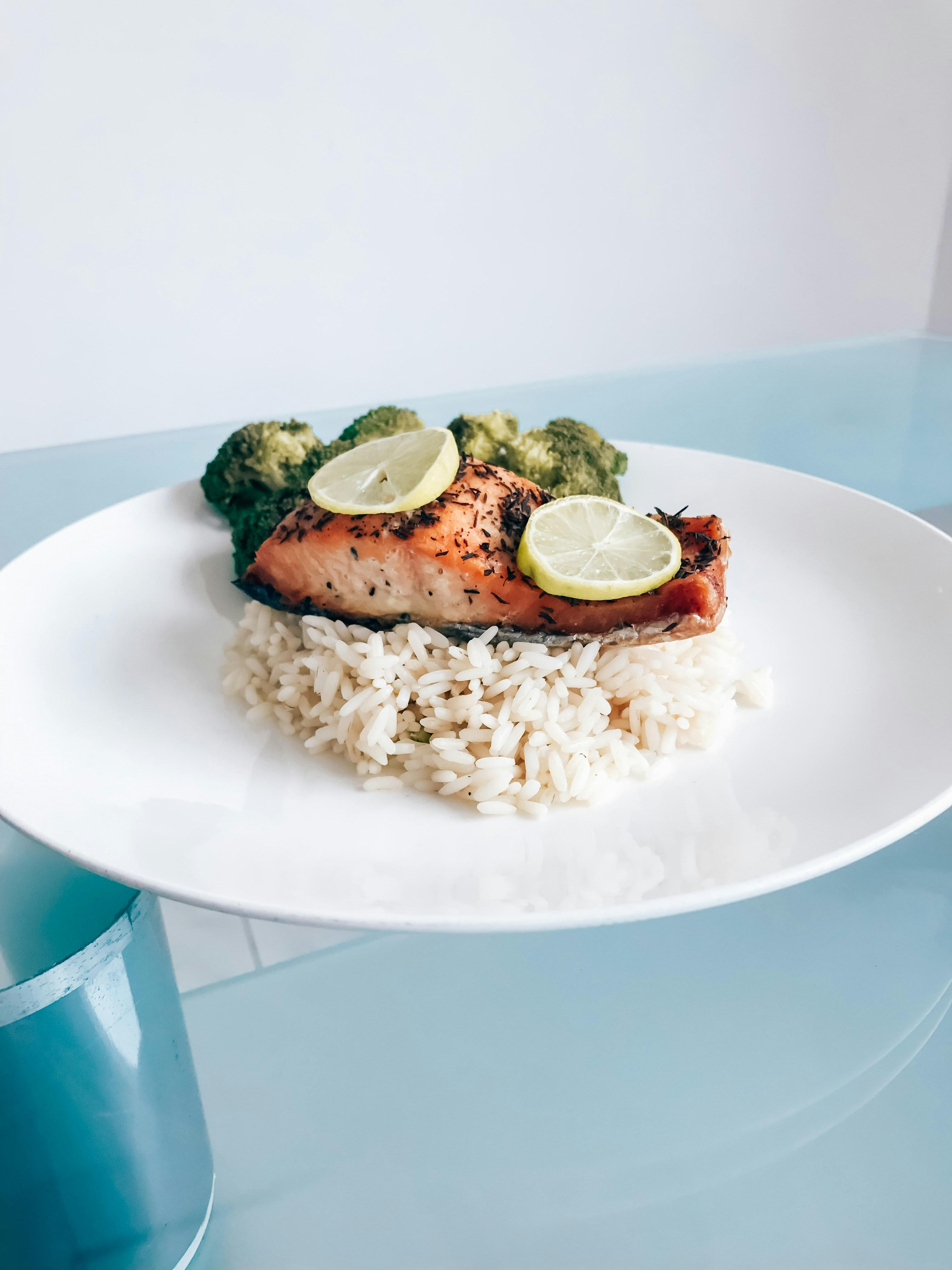
Vegetable Fried Rice
A classic, takeout-style vegetable fried rice made with day-old rice, crisp vegetables, savory soy sauce, and aromatic garlic and ginger. Better and faster than delivery!
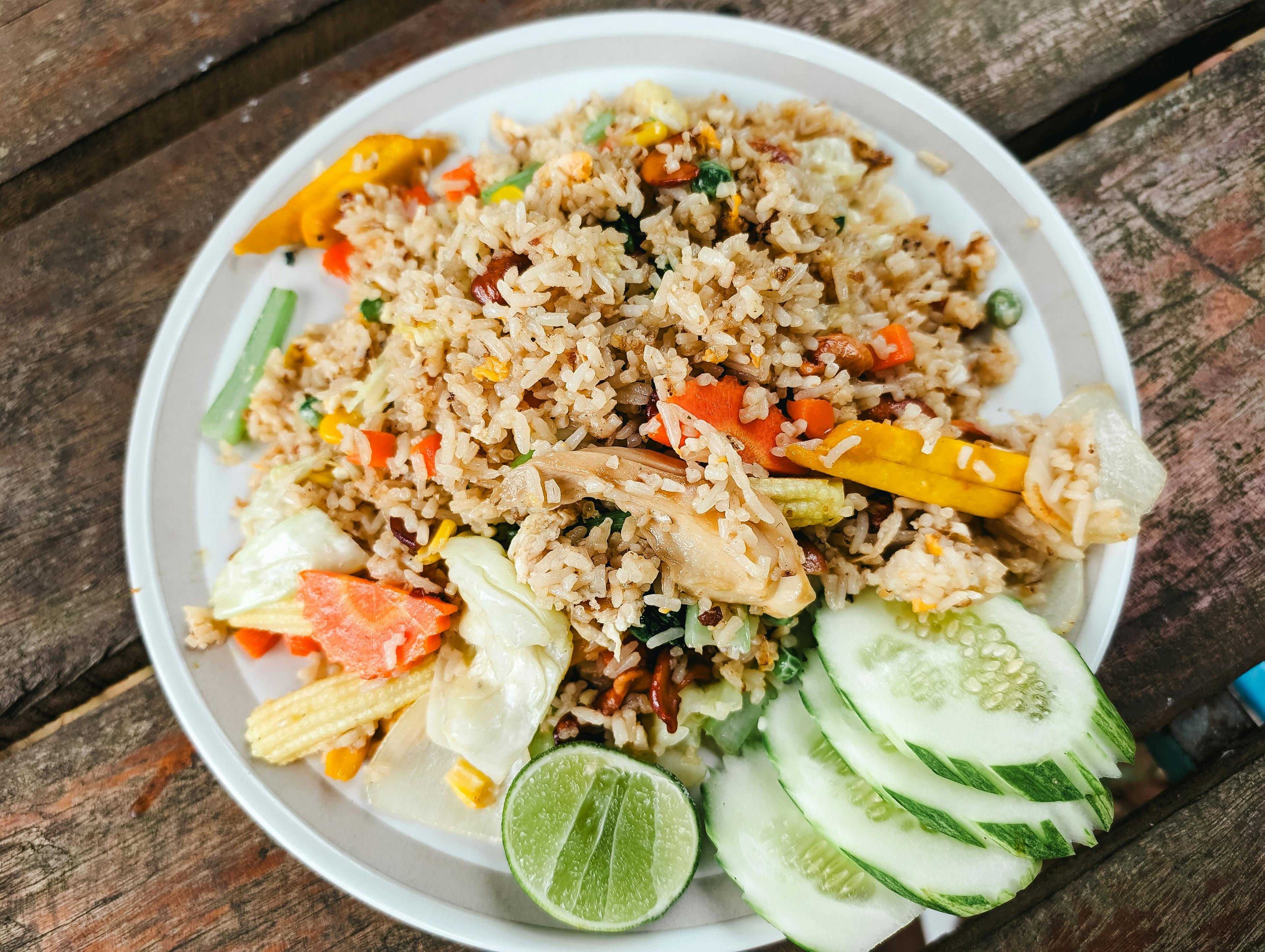
Comprehensive Guide to 20-Minute Vegetable Fried Rice
Introduction: The Ultimate 20-Minute Takeout Classic
This classic takeout dish has been enjoyed by millions of people for over 20 years!
Vegetable Fried Rice is the perfect choice if you feel like ordering Chinese takeout but are looking for something healthier, cheaper, and quicker to prepare at home. This colorful dish is packed with nutritious rice, crisp vegetables, and a savory Asian sauce.
Flexible enough to incorporate any vegetable sitting in your fridge, it is a great last-minute recipe for a fast weeknight dinner or weekly meal prep!
👨🍳 Chef's Personal Kitchen Story & Testing Notes
If you've ever wondered why homemade fried rice turns out soggy compared to your local Chinese takeout, the secret lies entirely in the rice moisture. For years, I tried using freshly cooked warm rice and ended up with mush. Switching strictly to day-old chilled rice straight from the fridge allows surface water to fully evaporate, ensuring each individual grain fries up crisp and separate.
During my early testing phase, I also made the mistake of dumping all my soy sauce directly into the center of a crowded non-stick pan. The moisture pooled and steamed the rice instantly. Once I learned to drizzle soy sauce around the blazing hot edges of a seasoned wok—letting it caramelize into a smoky umami glaze before tossing—the entire flavor profile transformed from flat rice into authentic restaurant-grade fried rice.
Why You Will Love This Expanded Recipe
- Fast & Easy 20-Minute Meal: Quick to make from scratch and even faster than waiting for restaurant delivery.
- Perfect Budget & Pantry Saver: A great way to use up cold leftover rice and vegetables lingering in your refrigerator crisper.
- Healthy & Nutrient-Packed: Loaded with vitamins, plant protein, and fiber from fresh, colorful veggies.
- Highly Customizable: Easily add tofu, chicken, or shrimp, or keep it 100% vegan by omitting the scrambled eggs.
- Meal-Prep Champion: Holds its texture and flavor wonderfully when stored for weekly lunches.
Key Ingredients & Flavor Secrets
Fried rice is a learned skill, and mastering it like a local restaurant chef comes down to these key rules:
- Day-Old Cold Long-Grain Rice: If you cook your rice fresh and it is still warm or moist, it will become mushy and clumpy in the pan. Chilling the rice dries it out so each individual grain crisps up and fries separately.
- High-Heat Wok or Cast Iron: Cooking over high heat imparts that sought-after smoky flavor (wok hei) and keeps vegetables crisp instead of soggy.
- Toasted Sesame Oil: Provides that signature warm, nutty aroma essential to traditional Asian stir-fries (always added at the very end).
- Low-Sodium Soy Sauce & Oyster Sauce: Gives you full control over saltiness while adding a rich savory color and deep umami profile.
- Aromatics (Garlic & Ginger): Freshly minced garlic and ginger provide the pungent flavor foundation when bloomed in hot oil.
3. Essential Kitchen Equipment Needed
Using the proper cooking gear makes execution swift and efficient:
- Seasoned Carbon-Steel Wok or Cast-Iron Skillet: Allows high-heat retention and slippery non-performance when properly heated.
- Wide Metal Spatula or Wok Ladle: Perfect for tossing and scraping rice grains without crushing them.
- Glass Mixing Bowls (Mise en Place): Essential for organizing pre-chopped veggies, beaten eggs, and sauces before you turn on the burner.
- Fine-Mesh Strainer (Optional): Used if you wash and drain your rice thoroughly prior to cooking.
🧪 Culinary Science: Starch Retrogradation
When freshly cooked rice cools down in the refrigerator, its starch molecules undergo a process called retrogradation (recrystallization of amylose). This structural shift makes individual starch polymers firmer, tighter, and significantly less sticky.
When tossed into a blazing hot wok, these retrograded starches resist absorbing excess liquid. Instead of swelling up and turning into a gummy paste, the outer layer of each grain dehydrates rapidly and fries in the oil, yielding that signature golden, distinct texture.
Step-by-Step Cooking Guide
Step 1: Scramble the Eggs
Heat 1 teaspoon of oil in a large wok or skillet over medium-high heat. Add 2 beaten eggs and scramble gently for about 1 minute until just set with soft curds. Transfer immediately to a small plate and set aside.
Step 2: Cook Aromatics and Vegetables
Wipe the pan clean and add another tablespoon of oil over high heat. Add finely grated ginger, minced garlic, diced yellow onion, and diced bell peppers. Stir-fry vigorously for 2 to 3 minutes until fragrant, vibrant, and slightly tender.
Step 3: Add Frozen Peas and Carrots
Toss in the thawed peas and carrots, stirring constantly for 1 minute until thoroughly heated through and incorporated with the aromatics.
Step 4: Fry the Rice and Sauces
Turn your burner up to maximum heat. Dump in the cold, hand-separated white rice. Pour the low-sodium soy sauce and oyster sauce evenly around the hot perimeter of the pan. Stir-fry vigorously for 3 to 4 minutes, using your spatula to break up any remaining clumps until the rice becomes piping hot, well-coated, and slightly toasted.
Step 5: Combine and Finish
Fold the cooked scrambled eggs and chopped green onions back into the wok. Drizzle with a few drops of toasted sesame oil, toss everything together for 30 seconds, and serve hot immediately!
👩🍳 Deep Troubleshooting & Common Mistakes
- "Why is my fried rice stuck to the bottom of the pan?"
This happens when the pan is not hot enough before adding oil, or when using an unseasoned, sticky pan. Make sure your wok is smoking hot before adding oil ("hot wok, cold oil" method). - "Why is my fried rice so mushy?"
Using warm, freshly cooked rice, adding too many liquid sauces all at once, or overcrowding a small pan will cause the rice to steam instead of fry. - "Why does my fried rice lack that restaurant flavor?"
Restaurant fried rice relies on extreme high heat (wok hei) and a balance of umami from oyster sauce, soy sauce, and sesame oil. Do not skip the high heat step!
Chef Tips for Flawless Results
- Don't Overcrowd the Pan: If your pan is too small, cook the rice in two smaller batches so it fries properly instead of steaming into a clump.
- Prep Everything in Advance: Stir-frying happens lightning fast! Have all your vegetables chopped, eggs beaten, and sauces measured before turning on the stove.
- Rub Rice Grains Together First: Gently rub cold rice between clean hands before tossing it into the pan to break up any stubborn clumps easily.
Delicious Serving Suggestions
- Serve as a Side: Pair alongside our Smoky Paprika Chicken Thighs or Lemon Garlic Butter Shrimp.
- Make It a Full Meal: Top with crispy baked tofu or grilled chicken breast slices.
- Garnish with Crunch: Sprinkle toasted sesame seeds or crushed peanuts on top right before serving.
🍽️ Flavor Variations to Try
- Spicy Sriracha Fried Rice: Stir 1 to 2 tablespoons of Sriracha or chili garlic paste directly into the rice during Step 4.
- Pineapple Cashew Fried Rice: Toss in 1/2 cup of fresh pineapple chunks and roasted cashews for a sweet and savory tropical twist.
- Kimchi Fried Rice: Fold in 1/2 cup of chopped fermented kimchi and a splash of kimchi juice for an intense, tangy flavor explosion.
📊 Storage, Reheating & Freezing Instructions
- Refrigeration: Store leftover fried rice in an airtight container in the fridge for up to 4 days.
- Freezing: Pack cooled fried rice into freezer-safe bags or containers for up to 2 months.
- Reheating on Stove: Add a small splash of water or oil to a wok or skillet and warm over medium-high heat, stirring frequently until the rice grains are fully revived.
- Microwave Method: Place a damp paper towel over your bowl to trap steam and prevent the rice from drying out, then microwave in 45-second intervals until hot.
Frequently Asked Questions (FAQs)
Q: Why is my fried rice so mushy?
A: Using warm, freshly cooked rice, adding too many wet ingredients, or overcrowding the pan will all cause soggy fried rice.
Q: What is the best type of rice to use for fried rice?
A: Long-grain white rice or Jasmine rice is best suited because the grains stay firm, aromatic, and separate effortlessly after being chilled.
Q: Can I use brown rice for this recipe?
A: Yes! Cooked brown rice works great, but be sure it is fully chilled overnight and increase the cooking time slightly in the wok to help the denser grains soften up.
Ingredients
- 3 cups Day-Old Cold Cooked Jasmine or White Rice
- 2 tablespoons Sesame Oil (or vegetable oil)
- 3 cloves Garlic (minced)
- 1 teaspoon Fresh Ginger (grated)
- 1 Small Yellow Onion (diced)
- 1 cup Mixed Frozen Peas and Carrots (thawed)
- 1/2 cup Bell Pepper (diced)
- 2 Large Eggs (beaten — optional for vegan version)
- 3 tablespoons Low-Sodium Soy Sauce
- 1 tablespoon Oyster Sauce (or vegetarian stir-fry sauce)
- 2 Green Onions / Scallions (chopped)
- Salt and black pepper to taste
Instructions
- 1
Prep Rice: Break up any large clumps of cold, day-old cooked rice using your hands or a fork.
- 2
Scramble Eggs: Heat 1/2 tablespoon of oil in a large wok or skillet over medium-high heat. Pour in scrambled eggs, cook quickly until soft curds form, then remove eggs and set aside on a plate.
- 3
Sauté Aromatics and Veggies: Add remaining oil to the pan. Add diced onion, garlic, grated ginger, and bell peppers. Sauté for 2 to 3 minutes until fragrant and slightly tender.
- 4
Add Peas & Carrots: Fold in thawed peas and carrots, stirring for another 1 to 2 minutes.
- 5
Stir-Fry Rice: Turn flame to high heat. Add cold rice to the wok along with soy sauce and oyster sauce. Stir-fry vigorously for 3 to 4 minutes until the rice absorbs the sauces and becomes hot and slightly toasted.
- 6
Combine and Serve: Fold the scrambled eggs and chopped green onions back into the rice. Toss everything together for 1 minute, then serve hot immediately!
Nutrition (per serving)
Share this recipe
Comments
Loading comments...